Martial Arts for Teen Stress: A Healthy Way to Build Confidence, Fitness, and Focus

Teenage years can be exciting, but they can also bring plenty of pressure. School assignments, exams, friendships, family expectations, social situations, and changing responsibilities can sometimes leave teenagers feeling overwhelmed. Finding a healthy way to manage everyday stress is therefore an important part of growing up.
Physical activity is one option that can help teenagers manage stress while supporting overall health. Martial arts offers a combination of exercise, structured learning, skill development, and personal goals. For teens who enjoy active challenges, Teens martial arts classes can provide a positive environment where they can work on fitness while developing focus and confidence.
Why Teenagers Experience Stress
Stress can come from many different areas of a teenager’s life. Academic pressure may be one factor, but it is rarely the only one.
Teenagers may also experience stress because of:
- Exams and homework
- Social relationships
- Family expectations
- Changes in friendships
- Sports and extracurricular activities
- Time management
- Social media
- Lack of sleep
- Pressure about future plans
Not every teenager experiences stress in the same way. Some may become quiet, while others may become frustrated, distracted, or less motivated.
A healthy physical activity can provide a regular opportunity to step away from daily responsibilities and focus on something constructive.
Martial Arts Gives Teens a Physical Outlet
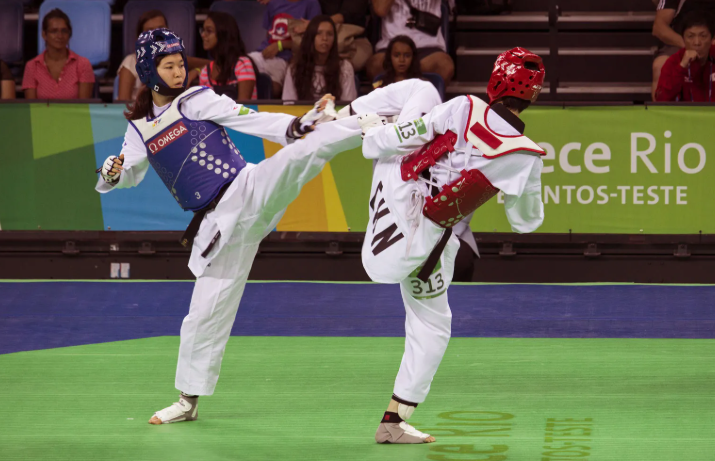
Martial arts training can be physically demanding. Classes may include warm-ups, footwork, technique drills, conditioning exercises, stretching, partner practice, and other forms of movement.
Physical activity can help teenagers use their energy in a productive way.
Instead of spending all of their free time sitting at a desk or using a screen, teens can spend part of their week moving, learning, and practicing physical skills.
Regular exercise can also support general fitness, which may make everyday activities feel easier and contribute to an overall sense of well-being.
Training Encourages Focus
One of the interesting aspects of Teens martial arts classes is that students need to concentrate while they are physically active.
A teenager may have to watch an instructor demonstrate a technique, remember several steps, maintain proper body position, and respond to a training partner.
This combination requires attention.
For example, a student learning a new combination cannot simply perform the first movement and stop. They need to remember what comes next and adjust their movements as they practice.
Over time, this can make training mentally engaging rather than simply being another form of exercise.
Confidence Can Grow Through Progress
Confidence does not always appear overnight. For many teenagers, it develops through repeated experiences of learning and improvement.
A beginner may initially find certain techniques difficult. With consistent practice, that same student may eventually perform them correctly.
Small achievements can build a sense of capability.
A teenager may begin to recognize:
- “I can learn something difficult.”
- “I can improve with practice.”
- “I do not have to be perfect immediately.”
- “I can keep going when something is challenging.”
These lessons can extend beyond martial arts. A student who becomes comfortable working through challenges during training may also feel more prepared to approach difficult school assignments or unfamiliar situations.
Martial Arts Teaches Teens to Stay Patient
Stress can sometimes make teenagers want immediate solutions. Martial arts provides a different lesson: improvement takes time.
Students may practice the same movement repeatedly before they feel comfortable with it. Some skills may take weeks or months to develop.
This encourages patience.
Instead of becoming discouraged because they cannot perform a technique immediately, students learn to focus on gradual improvement.
That mindset can be useful when dealing with schoolwork, personal goals, or other challenges that require sustained effort.
A Structured Routine Can Be Helpful
Teenagers often have busy schedules. A regular martial arts class can create a predictable part of the week.
Having a set training schedule may help students develop better time-management habits.
For example, a teenager might learn to organize their week around:
- School responsibilities
- Homework
- Training sessions
- Family time
- Rest
- Other activities
Martial arts should not add unnecessary pressure to an already busy schedule. The goal is to create a healthy routine rather than another source of stress.
Learning Self-Control Is Part of Training
Martial arts involves physical techniques, but responsible training also emphasizes control.
Students learn that having physical ability does not mean using it carelessly. They are expected to follow safety rules, respect training partners, and listen to instructors.
This can create opportunities to practice impulse control and responsible decision-making.
A teenager may learn to pause, listen, think, and then respond instead of reacting immediately.
These habits can be valuable when dealing with everyday disagreements or stressful situations.
Martial Arts Can Provide a Break From Screens
Many teenagers spend significant amounts of time on phones, computers, gaming systems, and other digital devices.
Screens are not automatically harmful, but spending too much time sitting and scrolling can reduce opportunities for physical movement and face-to-face interaction.
A martial arts class provides a dedicated period where students are physically active and focused on what is happening around them.
During training, attention is directed toward movement, instruction, and interaction with other students rather than notifications and online distractions.
The Social Side of Martial Arts
Stress can sometimes feel worse when teenagers believe they are dealing with everything alone.
Martial arts classes can provide a social environment where students regularly interact with instructors and classmates.
Students may practice together, work with different partners, encourage each other, and celebrate progress.
This does not mean every martial arts class will automatically create close friendships. However, regular participation can give teenagers another opportunity to interact with people outside their normal school environment.
Training Can Improve Physical Confidence
Some teenagers feel uncomfortable about changes in their bodies during adolescence. Physical development can affect how young people view themselves.
Martial arts gives teenagers a chance to focus on what their bodies can do rather than only how they look.
They may notice improvements in:
- Balance
- Strength
- Coordination
- Flexibility
- Speed
- Endurance
- Agility
Seeing these improvements can help teenagers develop a more positive relationship with physical activity.
Martial Arts Encourages Goal Setting
Many martial arts programs use a progression system that allows students to work toward new levels of skill.
Goals might include learning a technique, improving performance, preparing for an assessment, or developing better physical conditioning.
Goal setting can give teenagers a clear sense of direction.
Instead of thinking about improvement as one huge challenge, they can focus on smaller steps.
For example:
Large goal: Become more confident in martial arts.
Smaller goals:
- Attend classes consistently.
- Practice a specific technique.
- Improve balance.
- Ask questions when something is unclear.
- Complete an assigned practice routine.
This approach can also be applied to school and other areas of life.
The Training Environment Matters
Not every martial arts program is the same. The atmosphere created by instructors can strongly influence a teenager’s experience.
Parents should look for Teens martial arts classes where instructors understand the needs of teenagers and create an environment based on safety, respect, learning, and gradual progress.
A suitable program should provide:
- Age-appropriate instruction
- Clear safety expectations
- Qualified instructors
- Reasonable physical challenges
- Respectful communication
- Proper supervision
- A welcoming environment for beginners
Teenagers should feel challenged without feeling constantly pressured or embarrassed.
Martial Arts Is Not a Cure for Serious Stress
Martial arts can be a healthy activity, but it should not be presented as a treatment for serious mental health problems.
Research on martial arts and adolescent psychological outcomes is promising in some areas but remains mixed, with studies differing in their programs, participants, and measurements. Some research has found potential benefits for well-being, resilience, emotional regulation, or self-esteem, while other findings are less consistent.
If a teenager is experiencing persistent or severe stress, anxiety, depression, major sleep problems, or difficulty functioning at school or home, parents should consider speaking with an appropriate healthcare or mental health professional.
Exercise can be one part of a healthy lifestyle, but it does not replace professional support when that support is needed.
How Parents Can Support a Teenager’s Training
Parents can make the experience more positive by focusing on effort rather than demanding constant achievement.
Helpful approaches include:
- Encouraging regular attendance without creating excessive pressure
- Asking how the teenager feels about the classes
- Celebrating improvement
- Allowing the teen to set realistic goals
- Supporting adequate sleep and recovery
- Making sure school responsibilities remain balanced
- Avoiding comparisons with other students
The teenager should gradually develop their own reasons for participating.
When young people feel that an activity belongs to them rather than being forced upon them, they may be more likely to enjoy and maintain it.
Finding the Right Balance
Martial arts should fit into a teenager’s overall lifestyle.
A healthy routine should include enough time for school, family, friends, exercise, hobbies, sleep, and relaxation.
Training several times a week may work well for some teenagers, while others may benefit from a less demanding schedule.
The ideal amount of training depends on age, fitness level, experience, school workload, and individual preferences.
The goal is not to make martial arts another source of pressure. It should be an activity that provides movement, learning, and a positive challenge.
Conclusion
Teenagers deal with many different types of stress, and having healthy ways to manage that pressure can make a meaningful difference in their daily lives. Martial arts combines physical activity with concentration, structured practice, goal setting, and skill development.
For teenagers who enjoy active learning, Teens martial arts classes can provide an environment where they can work on fitness while gradually developing confidence, patience, focus, and self-control.
The benefits will vary from one teenager to another, and martial arts is not a replacement for professional help when serious stress or mental health concerns are present. However, with the right instructor and a supportive training environment, martial arts can become a valuable part of a balanced and active teenage lifestyle.