OA Steel Raised Floor: The Smart Choice for Office Automation Buildings

Office automation buildings have specific infrastructure needs that standard flooring systems often cannot meet. The OA steel raised floor was designed precisely for this environment, combining sturdy load-bearing construction with the cable management flexibility that modern workplaces demand. Whether you are planning a new corporate headquarters or retrofitting an existing facility, understanding the features and benefits of this flooring type will help you make a well-informed choice.
What Is an OA Steel Raised Floor?
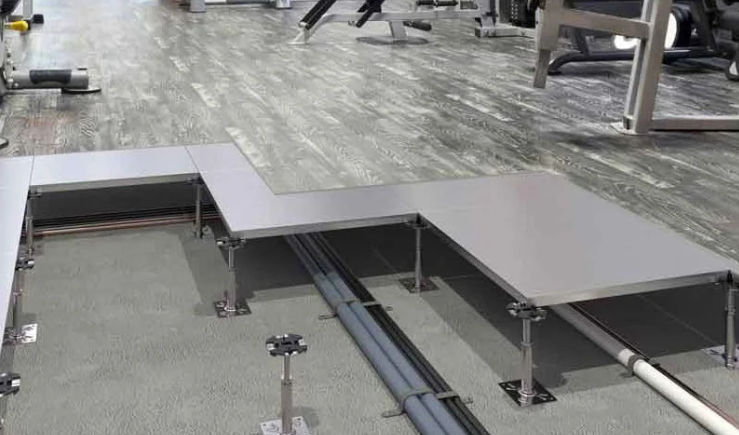
OA stands for Office Automation, a design philosophy that emerged in Japan and spread globally as organizations began relying heavily on computer networks and electronic systems. The OA steel raised floor system consists of steel-encapsulated concrete-filled panels supported on adjustable pedestals, creating an accessible void beneath the floor surface. This void accommodates electrical cables, data lines, and HVAC ducts, allowing easy access for maintenance and reconfiguration.
Construction and Material Composition
These floor panels are typically composed of a dense concrete or calcium sulfate core fully encapsulated in cold-rolled steel. The steel shell gives the panel structural rigidity while the core provides fire resistance and acoustic damping. Panel dimensions commonly follow a 600mm x 600mm module, which aligns with standard office furniture and partitioning grids.
Load Bearing Capacity and Structural Performance
OA steel raised floor panels are rated for both concentrated and distributed loads. Concentrated point loads of 4.5 kN to 9 kN are typical depending on the specific product grade, making them suitable for server racks, copier machines, filing systems, and general office furniture. This performance range makes them versatile across various office applications.
Why Office Buildings Choose OA Steel Raised Floors
The primary advantage of this system is flexibility. As office layouts change — whether due to team growth, reorganization, or new technology — the underfloor space makes it trivial to reroute cables or add new power outlets. Removing a panel is a five-second task with the right tool, compared to hours of disruptive construction work required with traditional concrete slab floors.
Improved Cable Management
Unmanaged cables are a safety hazard and a maintenance nightmare. Running cables beneath a raised floor keeps them hidden from view, protected from physical damage, and easy to trace during troubleshooting. Cable trays and conduits can be installed in the plenum to further organize and protect wiring runs.
Better Air Circulation and Comfort
When combined with an underfloor air distribution (UFAD) system, OA raised floors can deliver conditioned air directly at desk level rather than from the ceiling. This approach improves air quality, reduces energy consumption, and increases occupant comfort compared to conventional overhead HVAC systems.
Installation Considerations for OA Steel Raised Floors
A successful installation starts with careful planning. The subfloor must be level, structurally sound, and free of moisture before any pedestals are placed. Pedestal heights are fully adjustable, typically ranging from 100mm to 500mm or more, allowing the system to accommodate uneven structural slabs. A laser level is essential for ensuring perfect alignment of the pedestal grid.
Pedestal Selection and Spacing
Pedestals are typically spaced at 600mm centers to match panel dimensions. The pedestal head is bonded or mechanically fixed to the structural slab, and the panel rests on a rubber pad on the pedestal head to prevent vibration transfer. Heavy load areas may require additional pedestals or larger pedestal heads.
See also: Sales and Marketing Courses: Boost Your Career and Business Growth
Surface Finish Options
OA steel raised floor panels accept a wide range of surface finishes. High-pressure laminate is the most common for general office use due to its durability and aesthetic appeal. Conductive or anti-static finishes are specified for server rooms and electronic manufacturing environments where static electricity control is critical.
Maintenance and Long-Term Durability
Steel-encapsulated raised floors are highly durable and require minimal maintenance. Regular cleaning with standard commercial floor care products is generally sufficient. Periodic inspection of pedestal bolts and panel seating ensures the system remains level and stable. Most quality systems carry warranties of 15 to 25 years, reflecting manufacturer confidence in long-term performance.
Frequently Asked Questions
Q: What is the difference between OA raised floor and data center raised floor?
A: OA raised floors are optimized for office environments with moderate load requirements, while data center floors are built for higher loads and often incorporate airflow tiles and heavy-duty pedestals.
Q: Can OA steel raised floor panels be retrofitted into existing offices?
A: Yes, raised floor systems can be installed in existing buildings as long as the structural slab can support the additional weight and the ceiling height allows for the floor rise.
Q: What surface finish is most durable for OA raised floors?
A: High-pressure laminate finishes are the most popular for office applications, offering excellent wear resistance, a wide range of design options, and easy cleaning.
Conclusion
For organizations that prioritize flexibility, efficient cable management, and a comfortable working environment, the OA steel raised floor is one of the best OA steel raised floor investments available. Its combination of structural performance, aesthetic versatility, and practical functionality makes it the preferred choice in modern office buildings around the world.