Practical Guide to Conducting Fire Risk Assessments

Fire safety is a critical aspect of workplace and residential safety. Understanding potential fire hazards, evaluating risks, and implementing preventive measures can save lives and reduce property damage. Conducting a thorough fire risk assessment is the first step in ensuring fire safety compliance and preparedness. This guide provides a practical approach to conducting fire risk assessments effectively.
What is a Fire Risk Assessment?
A fire risk assessment is a systematic process of identifying fire hazards, evaluating the risk associated with these hazards, and implementing control measures to minimize the likelihood and impact of a fire. It is a legal requirement in many countries for businesses, organizations, and public buildings. The primary goal of a fire risk assessment is to protect occupants, property, and assets from the dangers of fire.
Why Conduct a Fire Risk Assessment?
Conducting a fire risk assessment is essential for several reasons:
- Legal Compliance: Most jurisdictions require regular fire risk assessments to ensure safety standards are met.
- Safety of Occupants: Identifying hazards reduces the risk of injury or fatalities.
- Prevent Property Damage: Proactive measures minimize the potential destruction caused by fire.
- Emergency Preparedness: Ensures that evacuation plans and safety measures are in place.
- Insurance Requirements: Insurance providers often require documented fire risk assessments.
Steps to Conduct a Fire Risk Assessment
1. Identify Fire Hazards
Fire hazards are sources that can ignite a fire or contribute to its spread. Common fire hazards include:
- Electrical equipment and faulty wiring
- Flammable liquids, gases, or chemicals
- Paper, cardboard, and other combustibles
- Open flames from stoves, heaters, or candles
- Smoking materials
Careful inspection of the premises is essential to identify all potential sources of fire.
2. Identify People at Risk
Consider who might be at risk if a fire occurs, including:
- Employees or residents
- Visitors and contractors
- Children, elderly, or disabled individuals
- Night-shift workers or those working alone
Understanding who is at risk helps in planning evacuation routes and protective measures.
3. Evaluate and Prioritize Risks
Once hazards and vulnerable groups are identified, assess the likelihood of a fire occurring and the potential severity of its consequences. This evaluation helps in prioritizing which hazards need immediate attention and which preventive measures are most critical.
4. Implement Control Measures
Control measures are actions taken to reduce the risk of fire. These may include:
- Installing smoke detectors, fire alarms, and sprinkler systems
- Ensuring proper storage of flammable materials
- Conducting regular electrical inspections
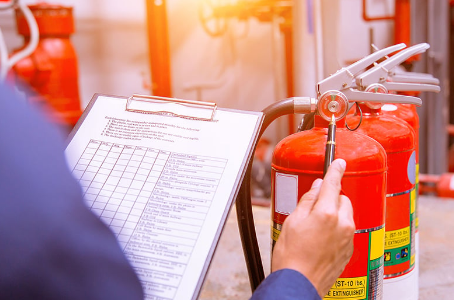
- Providing fire extinguishers and emergency equipment
- Training staff in fire safety procedures and evacuation plans
5. Record Findings and Actions
Document all findings, identified hazards, evaluated risks, and implemented control measures. Keeping a written record is essential for legal compliance, future reviews, and staff awareness.
6. Review and Update the Assessment
Fire risk assessments are not a one-time task. Regular reviews are essential, especially when there are changes in the building, occupancy, or work processes. Updates ensure that new hazards are addressed promptly.
Tips for Effective Fire Risk Assessments
- Conduct assessments during normal working hours to understand actual risks.
- Involve employees in identifying hazards; they often have practical insights.
- Focus on high-risk areas such as kitchens, storage rooms, and electrical equipment rooms.
- Practice evacuation drills regularly to ensure everyone knows how to respond in case of fire.
- Use a checklist to ensure no area or hazard is overlooked.
Common Mistakes to Avoid
- Overlooking small hazards such as overloaded power outlets or poor housekeeping.
- Failing to update the assessment after changes in operations or layout.
- Not involving employees in fire safety training.
- Ignoring documentation, making compliance verification difficult.
Read Also: Behind the Scenes of a Solar Installer’s Work: What Homeowners Rarely See
Conclusion
A fire risk assessment is an essential tool for safeguarding lives and property. By systematically identifying hazards, evaluating risks, and implementing control measures, organizations can significantly reduce the likelihood and impact of fire incidents. Regular reviews and employee training ensure that fire safety measures remain effective and up-to-date. Adopting a proactive approach to fire risk assessment is not only a legal obligation but a vital step toward creating a safe environment for everyone.
FAQs
1. How often should fire risk assessments be conducted?
Fire risk assessments should be reviewed at least annually, or more frequently if there are significant changes in the premises, equipment, or occupancy.
2. Who can carry out a fire risk assessment?
Fire risk assessments can be conducted by a competent person with adequate training and knowledge of fire safety regulations. This could be an internal staff member or an external fire safety consultant.
3. What are the main types of fire hazards?
The main types include electrical hazards, flammable liquids and gases, combustible materials, open flames, and human activities such as smoking or cooking.
4. What should be included in the fire risk assessment report?
The report should include identified hazards, people at risk, risk evaluation, control measures implemented, and recommendations for improvements.
5. Is employee training part of fire risk assessment?
Yes, educating employees on fire safety, evacuation procedures, and proper use of fire equipment is a crucial component of the fire risk assessment process.